You’ve worked hard to build your reputation.
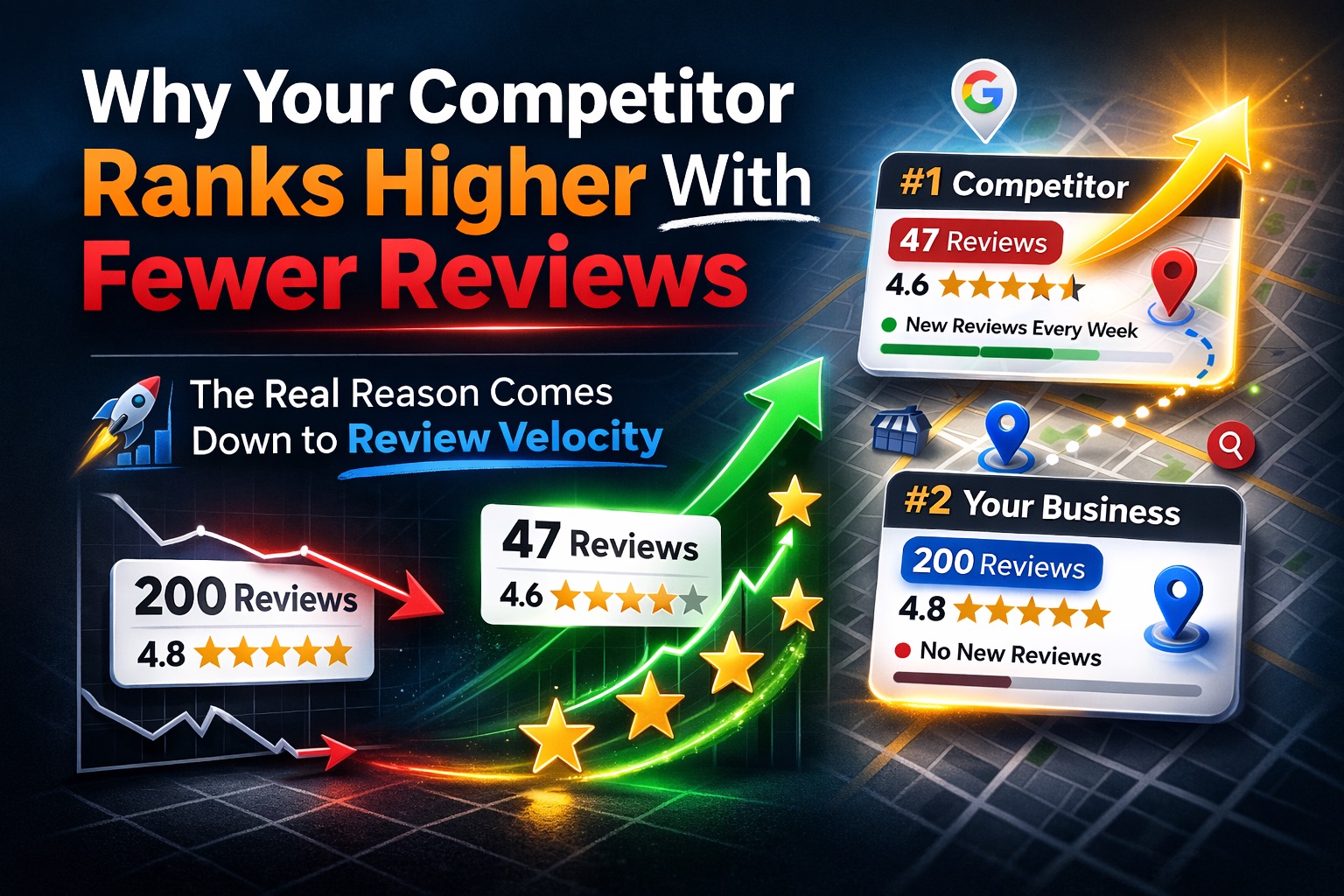
You’ve got 200 reviews.
A 4.8-star rating.
Customers love you.
Then you look at Google.
Your competitor has 47 reviews.
A 4.6-star rating.
And somehow… they’re ranking above you in the local pack.
It doesn’t make sense at first.
But once you understand how Google looks at reviews, it starts to.
It’s Not Just the Number. It’s the Momentum.
Most business owners assume ranking is about total review count and star rating.
Those matter. But they’re not the whole picture.
Google doesn’t just count your reviews. It studies the pattern behind them.
It looks at:
- When your reviews came in
- How consistently they’re coming in
- Whether you’re still getting them regularly
- How engaged you are with customers
If your competitor received 12 reviews in the last 30 days, while you haven’t received one in three months, Google sees them as more active.
More active often means more relevant.
And more relevant means higher placement.
Review Velocity Is a Real Ranking Signal
A business with 47 reviews that are coming in steadily every week can look “healthier” to Google than a business with 200 reviews that stopped asking last year.
Your 200 reviews are powerful social proof for customers. They absolutely help conversion.
But if your review velocity has flattened out, the ranking algorithm may not reward you the way you expect.
Google favors businesses that look alive and engaged right now.
Not just businesses that were active in 2022.
Recency Matters More Than You Think
This is the same reason you’ll see a restaurant with recently updated photos outrank one with better photos that haven’t been touched in years.
Search engines want to surface businesses that are clearly operating, serving customers, and staying active.
Recency sends that signal.
Consistency strengthens it.
What Actually Fixes the Problem
If you’re serious about improving your local ranking, here’s what works:
1. Build a System, Not a Hope Strategy
“We ask sometimes” isn’t a strategy.
Every completed job, appointment, or transaction should trigger a review request automatically. No guessing. No relying on staff memory.
Consistency only happens when the system runs without you.
2. Focus on Steady Flow, Not Big Campaigns
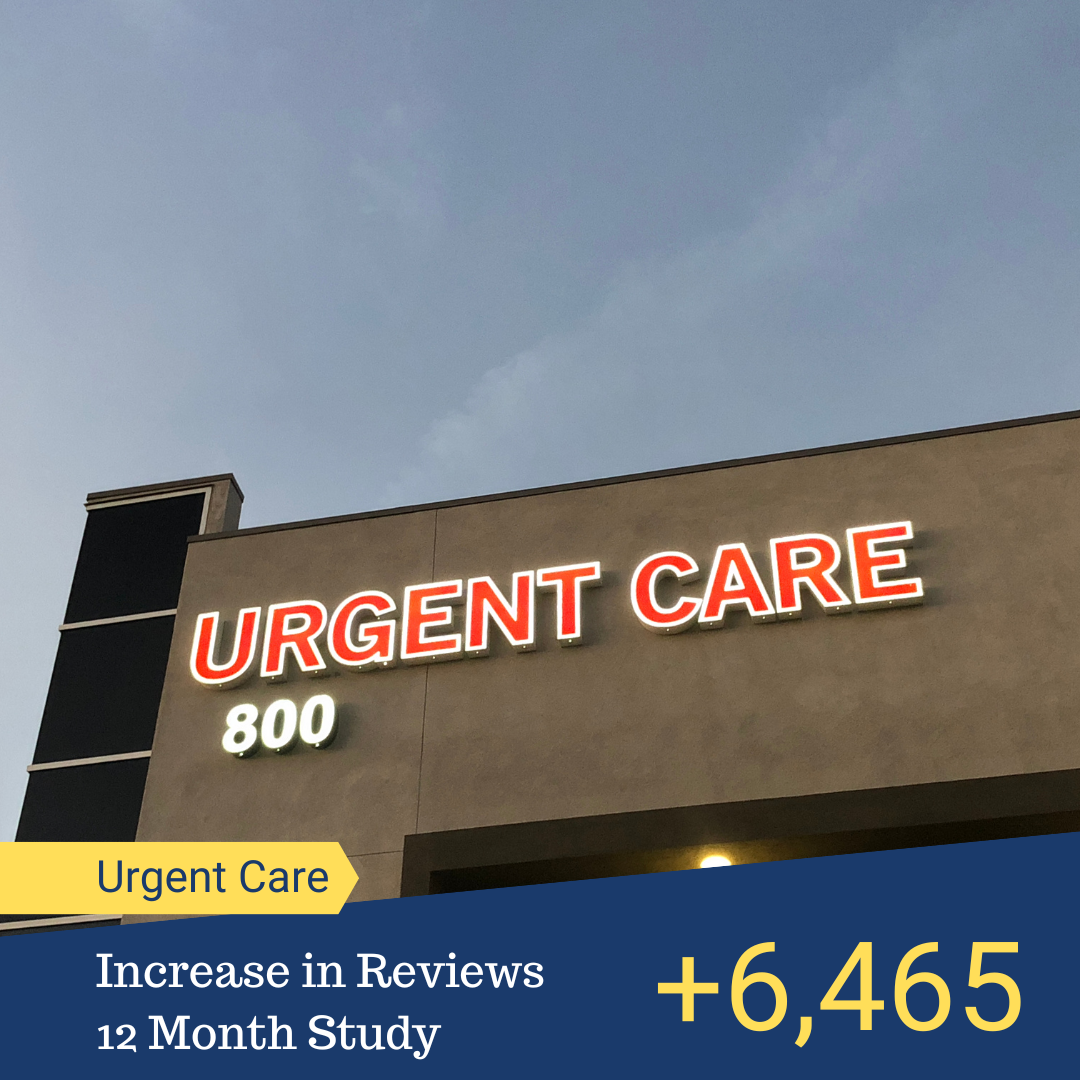
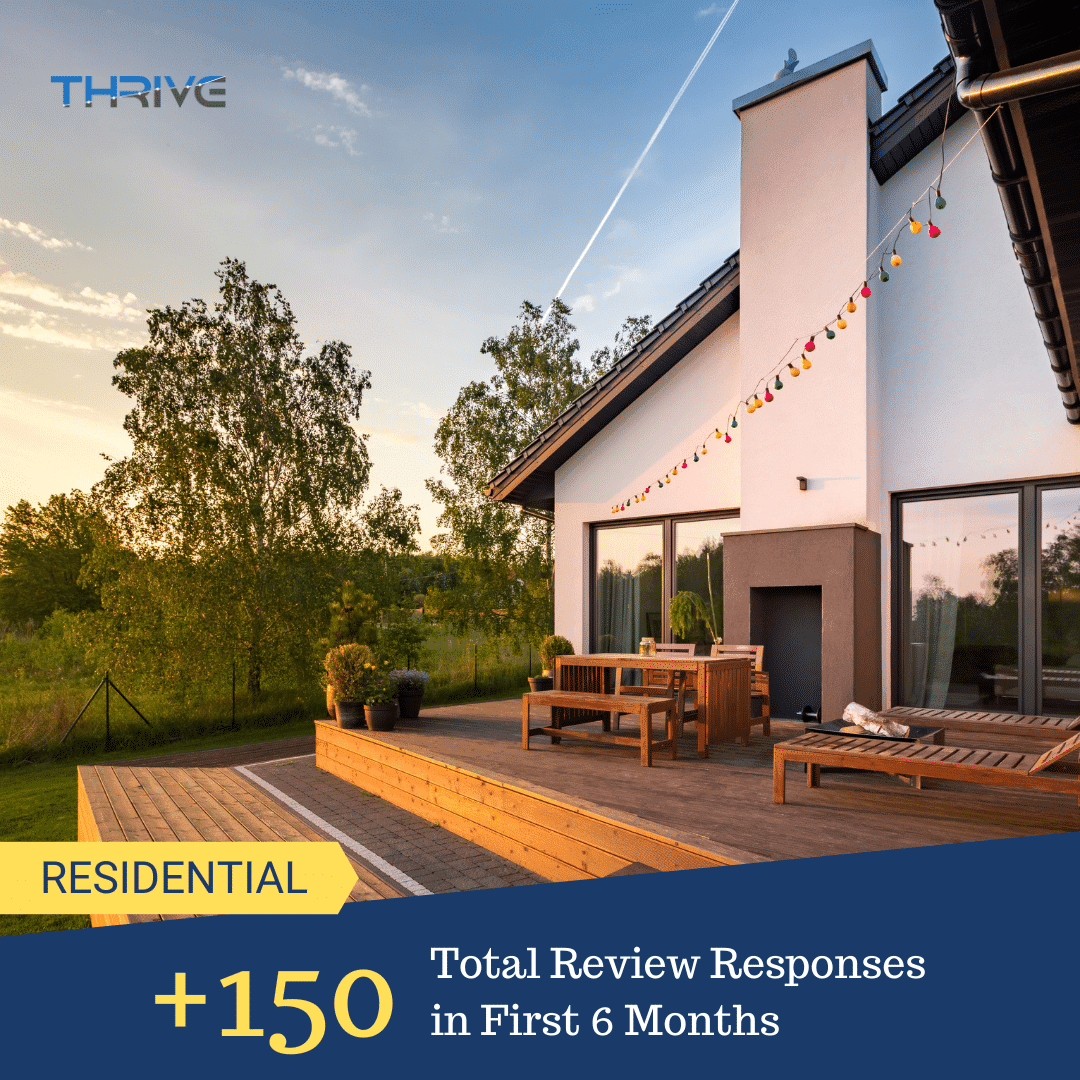
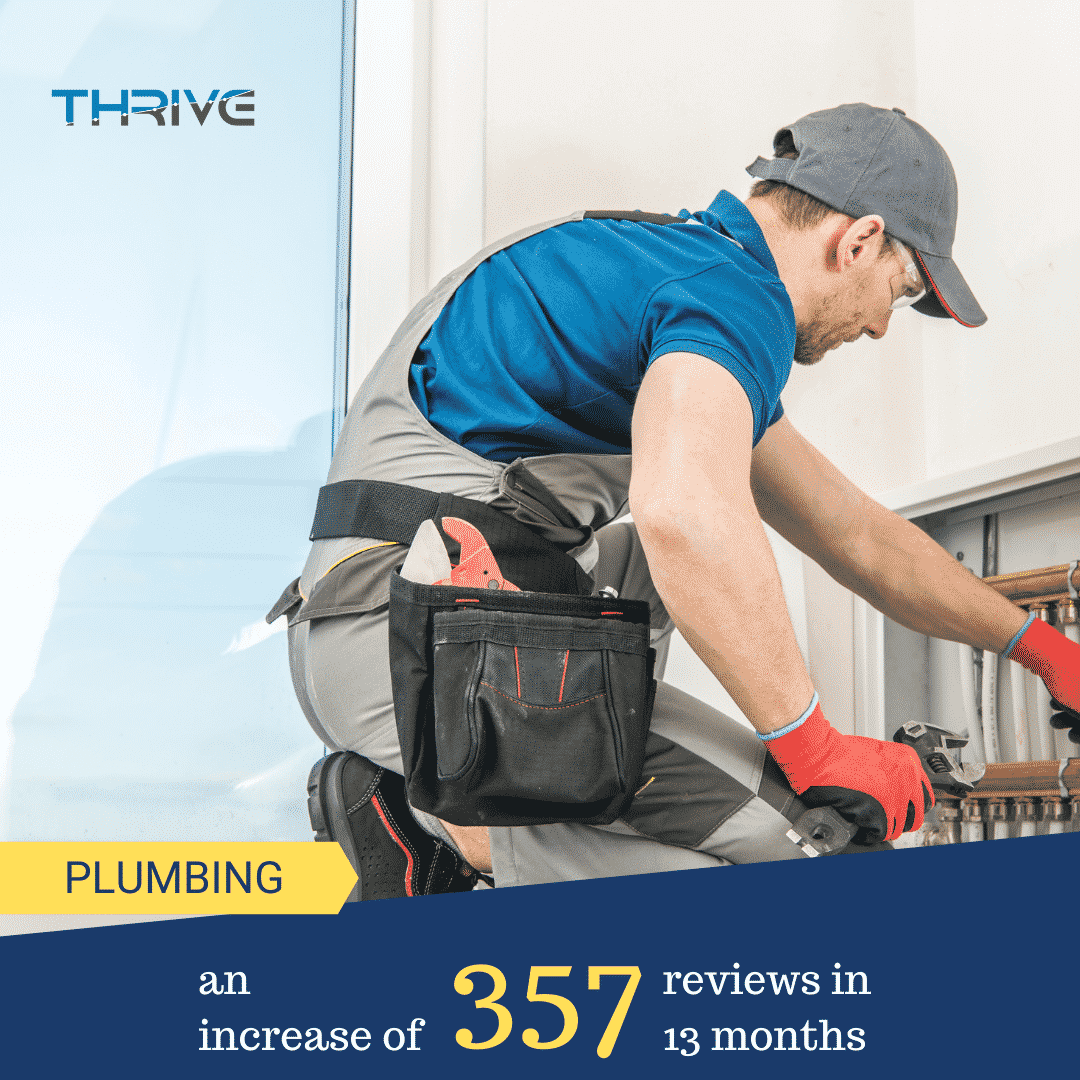
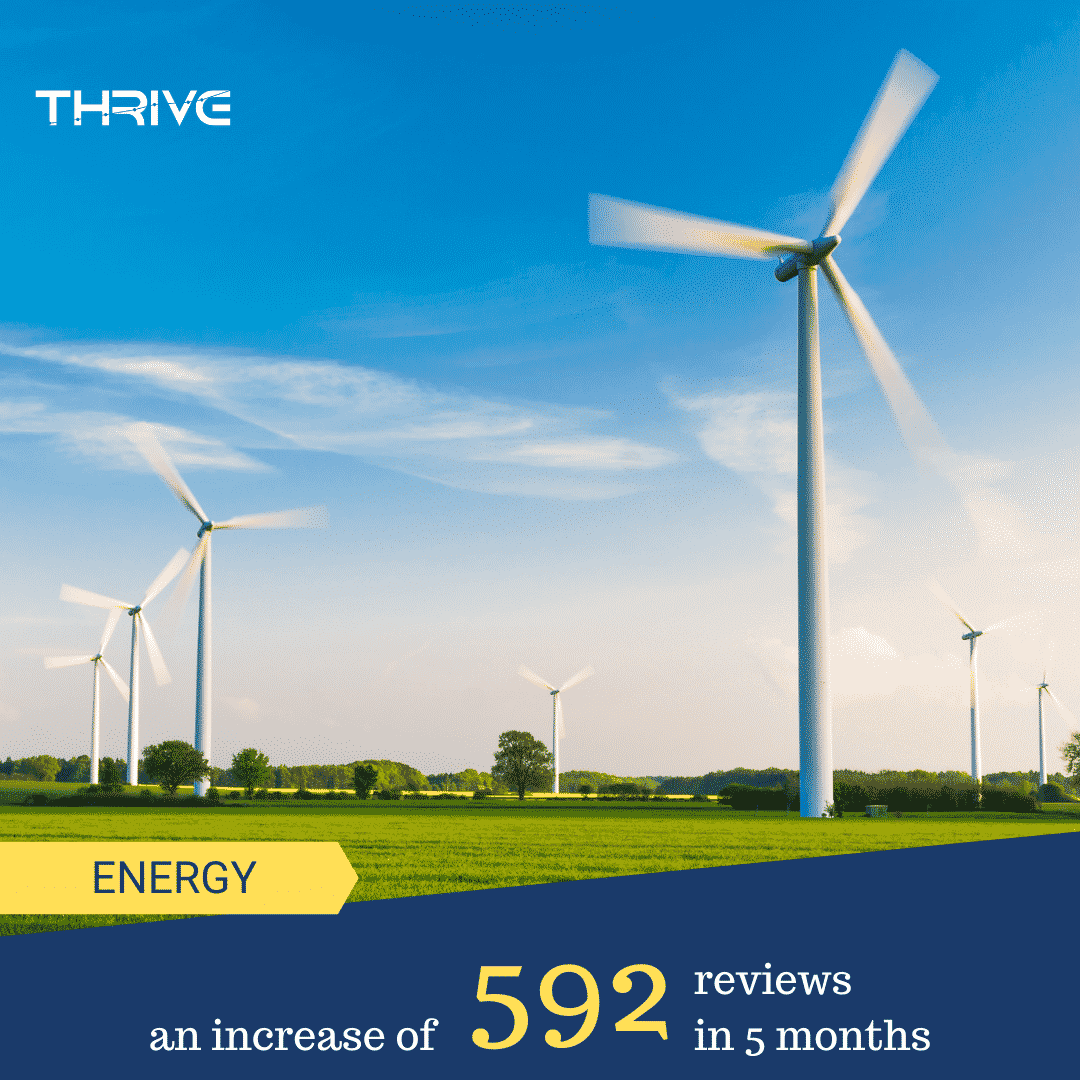
Twenty reviews in one month and then nothing for the next eleven months does not help long term.
Four reviews every week, every month, is far more powerful.
Think steady momentum, not bursts of effort.
3. Respond to Every Review
This is one of the most overlooked signals.
When you respond to reviews, Google sees engagement. Customers see professionalism.
It reinforces that you’re paying attention and that your business is active.
And yes, this can be systemized too, we have a team of real people that can respond for you.
4. Track Competitor Velocity
Stop only looking at their total review count.
Look at how many they’re getting each month.
If they’re adding reviews faster than you are, they will likely continue climbing.
The Hard Truth
If you stopped actively asking for reviews because you felt like you had “enough,” you’re probably already losing momentum.
There isn’t a magic number where you get to stop.
Local search is about movement, not accumulation.
The businesses that keep showing up are the ones that keep the engine running.
At Thrive Reviews, this is exactly what we help businesses fix.
We don’t just set up the software. We build the system. We manage the platform. And our team personally responds to reviews so your profile stays active and engaged.
If you want to understand how your review velocity compares to your competitors, we’re happy to take a look and point you in the right direction.
Your reputation should be growing every month.